
Catford Resident Guide: Living in Catford and the Surrounding Area
Catford has character, energy and a strong sense of community. It is not trying to be a polished version of somewhere else, and that is a large part of its appeal.
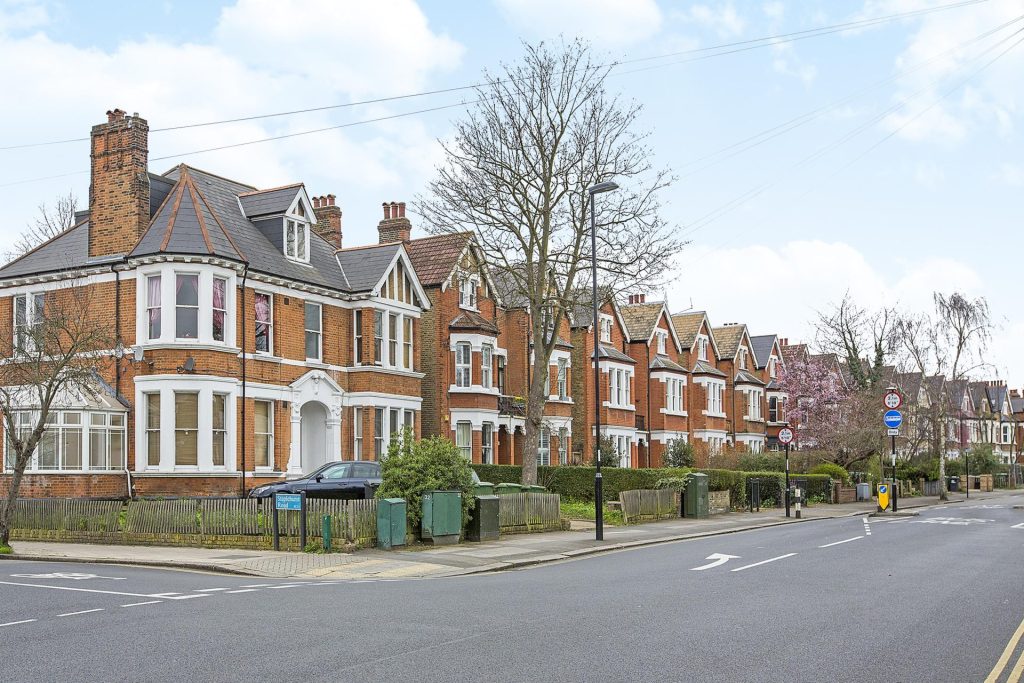
The area combines period streets, family houses, purpose built apartments, green spaces and two railway stations. Catford town centre feels busy and practical, while Catford South, Bellingham, Rushey Green, Hither Green and Lower Sydenham each offer something slightly different.
There is also considerable change taking place. Lewisham Council has published a new business plan for Catford town centre covering the period from 2026 to 2030, with improvements planned for transport, housing, public spaces and the town centre.
Catford Property Market
Catford sits within the London Borough of Lewisham, so the latest official property figures cover the whole borough rather than Catford alone.
The average house price in Lewisham reached £489,000 in July 2026. This represented a 0.7% increase from the revised average of £485,000 recorded in July 2025.
By comparison, the average house price across London fell by 3.3% during the same period.
Average property prices across Lewisham in July 2026 were:
- Detached properties: £1,117,000
- Semi-detached properties: £774,000
- Terraced properties: £602,000
- Flats and maisonettes: £376,000
Semi-detached and terraced homes recorded an annual increase of 2.7%, while the average price of flats and maisonettes remained broadly unchanged.
These figures provide useful context, but they do not represent the precise value of a property in Catford. Prices can differ considerably between individual streets and neighbourhoods.
The size, condition and presentation of a home will matter, as will its proximity to a station, park, school or busy road.
First Time Buyers in Catford
First time buyers paid an average of £431,000 across Lewisham in July 2026. This remained broadly in line with the revised average of £430,000 recorded in July 2025.
People moving from one home to another paid an average of £605,000.
Catford can provide first time buyers with a range of choices, from apartments and period conversions to terraced houses.
Anyone considering an apartment should examine the remaining length of the lease, service charges, ground rent, building management and any planned major works before making a decision.
Renting in Catford
The average monthly private rent across Lewisham reached £1,829 in August 2026. This represented an annual increase of 2%, from £1,793 in August 2025.
Rental prices across London increased by 3.5% during the same period.
Average monthly rents by number of bedrooms were:
- One bedroom: £1,457
- Two bedrooms: £1,789
- Three bedrooms: £2,057
- Four or more bedrooms: £2,714
Average monthly rents by property type were:
- Flats and maisonettes: £1,657
- Terraced properties: £2,088
- Semi-detached properties: £2,360
- Detached properties: £2,497
A borough-wide average can only provide a general guide. The rent achieved by an individual property will depend on its location, size, condition, energy performance, transport connections and presentation.
The Office for National Statistics published these figures on 16 September 2026. House price figures for July 2026 remain provisional and may change as more transactions complete.
View the official Lewisham housing data
Living in Catford
Catford feels lively, diverse and firmly rooted in South East London.
The town centre provides shops, supermarkets, cafés, restaurants, a street market and essential services. Away from the main roads, residential streets offer a mixture of Victorian and Edwardian houses, postwar homes, purpose built apartments and newer developments.
Different parts of the area offer different lifestyles.
Catford South has attractive residential streets and many period family homes. Rushey Green places residents close to the town centre and local amenities. Bellingham offers houses, apartments and access to green space, while nearby Hither Green has its own cafés, shops and railway station.
Lower Sydenham provides another mixture of residential streets, transport connections and access to open space.
The History of Catford
The name Catford appears to come from a crossing over the River Ravensbourne. The settlement around the present town centre originally carried the name Rushey Green.
Catford began to grow more quickly after Catford Bridge railway station opened during the nineteenth century. The railway encouraged development across what had previously remained a largely rural area.
As housing and transport expanded, people began using the name Catford for the wider district.
Several local buildings reflect different periods in Catford’s development. The Broadway Theatre opened in 1932 and remains one of the area’s most distinctive landmarks.
Postwar development also changed Catford considerably. Eros House, the Catford Centre and Milford Towers brought a very different architectural style to the town centre during the 1960s and 1970s.
The Catford Cat
The Catford Cat has become the area’s most recognisable landmark.
The large black cat sits above the entrance to the Catford Centre and has become an affectionate local symbol. It may not have the history of the Broadway Theatre, but it captures something of Catford’s humour and individuality.
Few London town centres have a landmark quite like it.
Broadway Theatre
The Broadway Theatre stands at the heart of Catford on Rushey Green.
The Grade II listed building opened in 1932 and hosts theatre, live music, comedy, family performances and pantomime.
Its Art Deco interior and distinctive exterior make it an important part of Catford’s architectural and cultural identity.
The theatre underwent a major restoration before reopening, allowing it to continue serving the local community while preserving the character of the original building.
Property in Catford
Catford offers a wide range of property.
Victorian and Edwardian terraces form an important part of the local market, particularly across Catford South and the streets leading towards Hither Green.
Buyers can also find larger family houses, period conversions, purpose built flats, postwar housing and modern apartments.
Homes with gardens often attract buyers looking for more space while remaining connected to central London. Properties within walking distance of Catford or Catford Bridge stations can also appeal to commuters.
However, buyers should not treat every part of Catford as the same market. A quiet residential street close to a park can feel very different from a property beside one of the main roads or in the centre of a large redevelopment area.
Transport and Connectivity
Catford has two railway stations located close to one another.
Catford Bridge station provides Southeastern services, while Catford station provides Thameslink services. Together, they connect the area with central London and other parts of South East London.
Nearby Hither Green and Lower Sydenham stations provide further options, depending on where in the area you live.
Numerous bus routes connect Catford with Lewisham, Bromley, Forest Hill, Sydenham and surrounding areas.
When considering a property, it is worth testing the journey you will actually make. The nearest station on a map may not always offer the most convenient service for your destination.
Parks and Outdoor Space
Catford has access to several parks and open spaces.
Mountsfield Park provides playing fields, open lawns, sports facilities and views across the surrounding area. Ladywell Fields follows the River Ravensbourne and offers walking routes, sports facilities and space for families.
Forster Memorial Park and River Pool Linear Park provide further places to walk and spend time outdoors.
Beckenham Place Park also sits within easy reach of parts of Catford and offers extensive parkland, woodland and recreational facilities.
This access to open space is an important part of Catford’s appeal, particularly for buyers and tenants who want a garden or nearby park without moving outside London.
Shops, Food and Local Life
Catford town centre provides supermarkets, independent shops, cafés, restaurants and a regular street market.
The area is not dominated by polished chains. Much of its character comes from long-standing independent businesses and the diversity of its local community.
Catford Broadway brings together the market, local businesses and the theatre. Meanwhile, cafés, restaurants and neighbourhood shops continue to open across Catford, Hither Green and the surrounding areas.
It feels like a place where people live their daily lives rather than somewhere designed only for visitors.
Schools and Family Life
Catford and the surrounding area contain a range of primary and secondary schools, nurseries and services for families.
Every family will have different priorities, and school admissions arrangements can change. Parents should check the latest information directly with the school and Lewisham Council before choosing a property.
Families often consider more than the school itself. Access to parks, transport, childcare, shops and suitable outdoor space can all influence where they decide to live.
Catford Town Centre Regeneration
Lewisham Council published the Catford Town Centre Business Plan 2026 to 2030 in September 2026.
The plan brings together proposed transport improvements, investment in the town centre, affordable housing and work to improve public spaces.
Regeneration can create better amenities, homes and transport connections, but it can also bring construction and uncertainty while work takes place.
Anyone buying in or around Catford town centre should understand which projects have approval, which have funding and which remain at the proposal stage.
Future development may change the area, but buyers should make decisions based on the property and neighbourhood as they exist today rather than relying on promises of future growth.
Is Catford a Good Place to Live?
Catford will not suit everyone, but that is part of what makes it interesting.
It has a busy town centre, useful railway connections, attractive residential streets, green spaces and a broad range of property. It also retains an identity that feels distinct from neighbouring areas.
Some people choose Catford because they want a period house and garden. Others value the transport connections, local community or proximity to Hither Green, Forest Hill, Sydenham and Beckenham.
The best way to understand Catford is to explore its individual streets. The experience can change significantly within a relatively short distance.
Buying, Selling or Letting in Catford
If you are considering buying, selling or letting a property in Catford or the surrounding area, Properly Partner Darren Monks can help.
Darren has 35 years of estate agency experience and works across Catford, Beckenham and the surrounding parts of South London.
He provides straightforward advice and a genuinely personal service. You will work directly with Darren throughout the process, from the first conversation through to completion or the start of a tenancy.
Speak to Darren Monks at Properly
If you are letting or managing a property, you can also read our guide here: